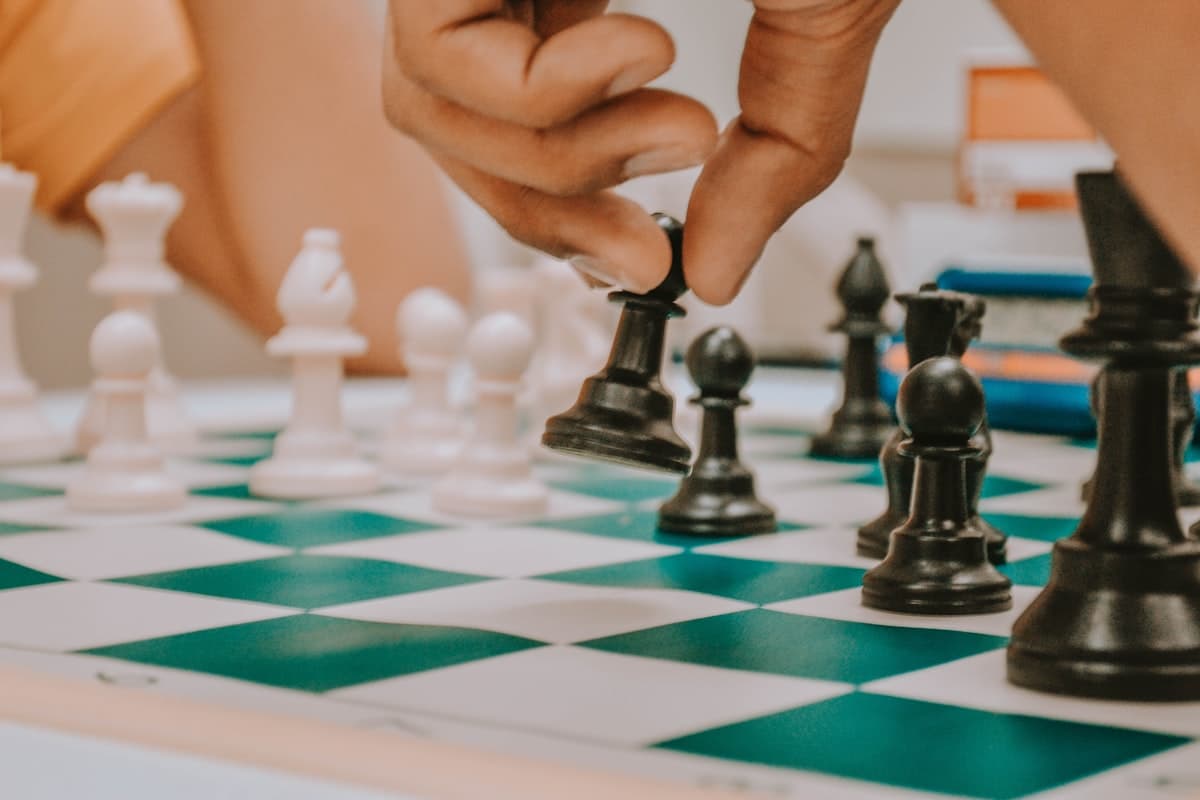
How to encourage a child after a loss
What you say to a child right after a lost game often matters more, for their future in chess, than the game itself.
Key takeaway
Praise the effort and the way they played, not just the result: that's what determines whether a child still wants to play the next game.
A child who just lost a game won't remember the details of their moves, but they'll remember very clearly how the adult next to them reacted. That reaction often weighs more, for their motivation to keep playing chess, than the result of the game itself.
Praise the effort, not just the result
"You really thought that move through" or "I saw you tried to protect your king" praise a process, regardless of the final outcome. Praising only wins, on the other hand, sends a clear and discouraging message: only the result matters, not the effort behind it.
Skip the immediate post-mortem
Analyzing every mistake in detail right after the loss, in the heat of the moment, rarely makes a child a better player: it mostly makes them a child who dreads the end of a game. A technical debrief, if it's useful at all, works better later, once emotions have cooled, and only if the child actually wants one.
A phrase that helps, a phrase that hurts
"You held your own for a long time against a stronger opponent" helps. "How could you miss that" hurts, even said without any bad intention. The difference often comes down to one thing: talking about what the child did well before talking about what was missing, if at all.
Putting the loss in perspective
Gently reminding a child that losing is part of the game, even for the best players in the world, helps them avoid experiencing every defeat as a verdict on their worth. The goal isn't to dismiss their disappointment, but to help them put it in context.
Key takeaways
- ✓Praise effort and good ideas, not just the final result
- ✓Skip the detailed post-mortem right after a loss, while emotions are still raw
- ✓Remind them that losing is part of the game, without dismissing their disappointment
Check your understanding
What's the best approach right after a child's loss, if the goal is to keep them motivated to play?