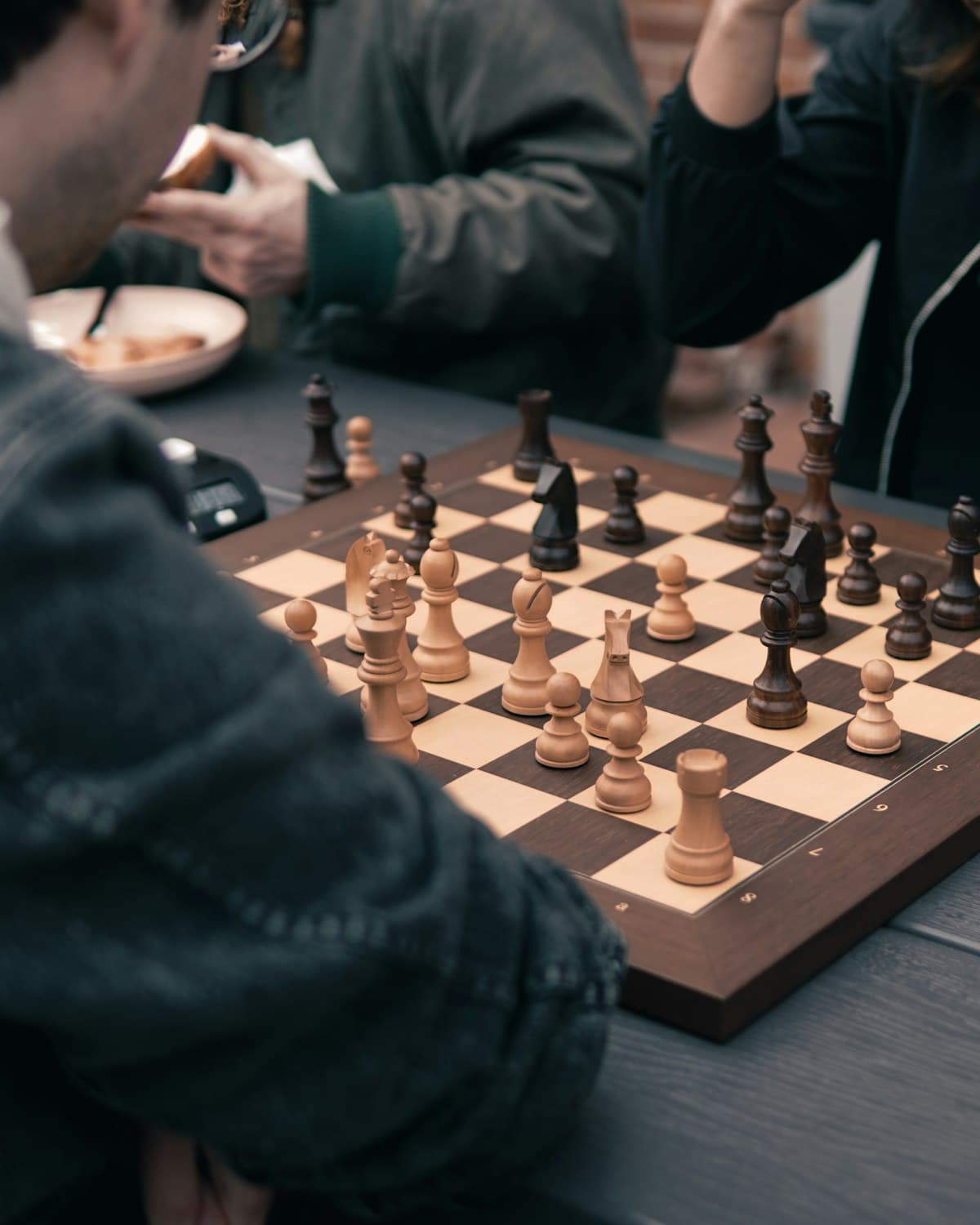
Draw by repetition and the 50-move rule: the other ways a game ends without a winner
Stalemate isn't the only way a game can end without a winner. Two more rules to know, essential once you play tight endgames.
Key takeaway
The same position three times, or 50 moves without a capture or a pawn push: the game can be declared a draw, even amid crushing material dominance.
Stalemate isn't the only way a game can end without a winner. Two more rules allow for a draw, and they become essential to know as soon as you start playing tight endgames.
The threefold repetition rule
If the exact same position occurs three times during the game (same side to move, same castling rights, same en passant possibility), either player can claim a draw. It doesn't matter whether the repetitions happen back to back or are separated by other moves.
Perpetual check: the weapon of desperate positions
The most common practical case: a player in a losing position strings together check after check that the opponent can neither escape nor block for good. If the enemy king is forced to shuttle between the same squares, the position repeats, and the game ends in a draw despite a sometimes enormous material imbalance.
The 50-move rule
If 50 consecutive moves are played by each side without a single capture or pawn move, either player can claim a draw. This rule exists to stop a game from dragging on forever when neither side is actually making progress, for instance, with insufficient material to force checkmate.
Why these rules exist
Together, these rules guarantee that a chess game always comes to an end, even in the strangest positions. They also offer a valuable defensive resource: in a losing position, actively hunting for a repetition or waiting out the 50-move limit can be enough to salvage half a point.
Key takeaways
- ✓Threefold repetition: the same position, three times, with the same rights (side to move, castling, en passant)
- ✓Perpetual check is the most common practical way to force a repetition
- ✓The 50-move rule: 50 moves without a capture or pawn push allow either player to claim a draw
- ✓These rules double as defensive weapons: in a losing position, they can save the game
Check your understanding
After how many repetitions of the same position can a game be declared a draw?