The history of chess, from chaturanga to AI
1,400 years of history on one timeline: from 6th-century India to neural networks, the milestones that shaped the game we know today.
c. 600
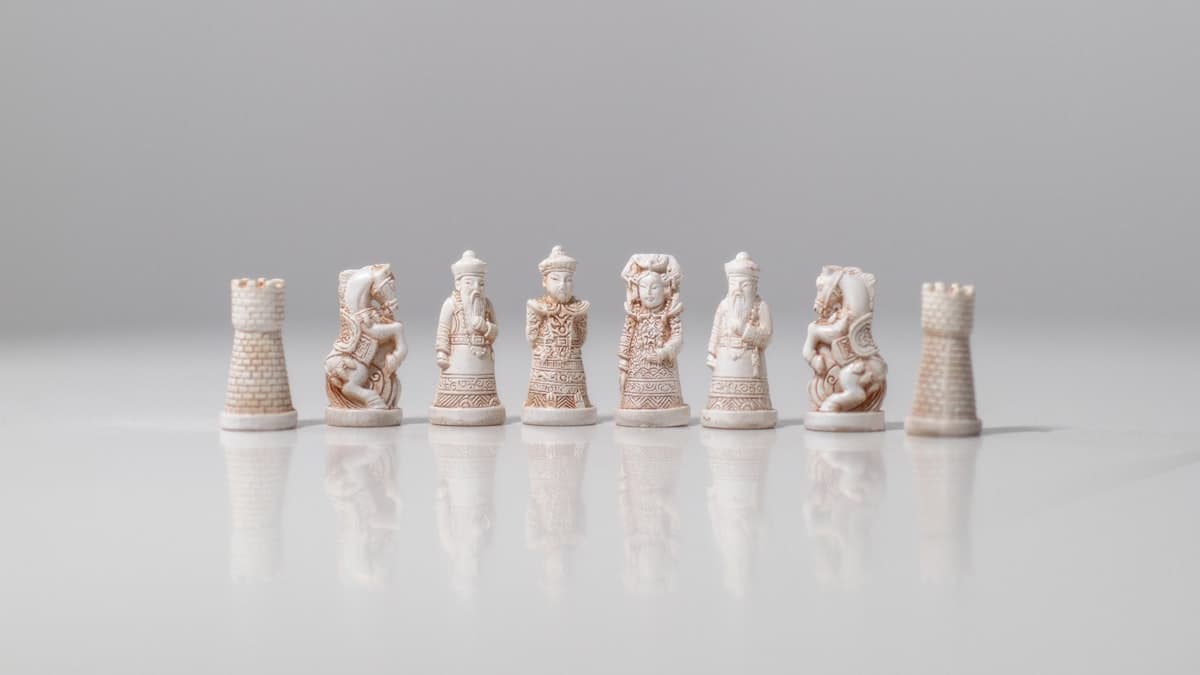
Chaturanga is born in India
The direct ancestor of chess appears in India under the Gupta Empire: four types of pieces (infantry, cavalry, elephants, chariots) representing the army divisions of the time.
7th century
The game becomes shatranj in Persia
After the Arab-Muslim conquest of Persia, the game is adopted and renamed shatranj. The Persian phrase "shah mat" ("the king is helpless") later gives us "checkmate".
10th-11th century
The game reaches Europe
Shatranj spreads into Europe via Moorish Spain and Byzantine trade routes, taking hold in royal courts and monasteries.
late 15th century
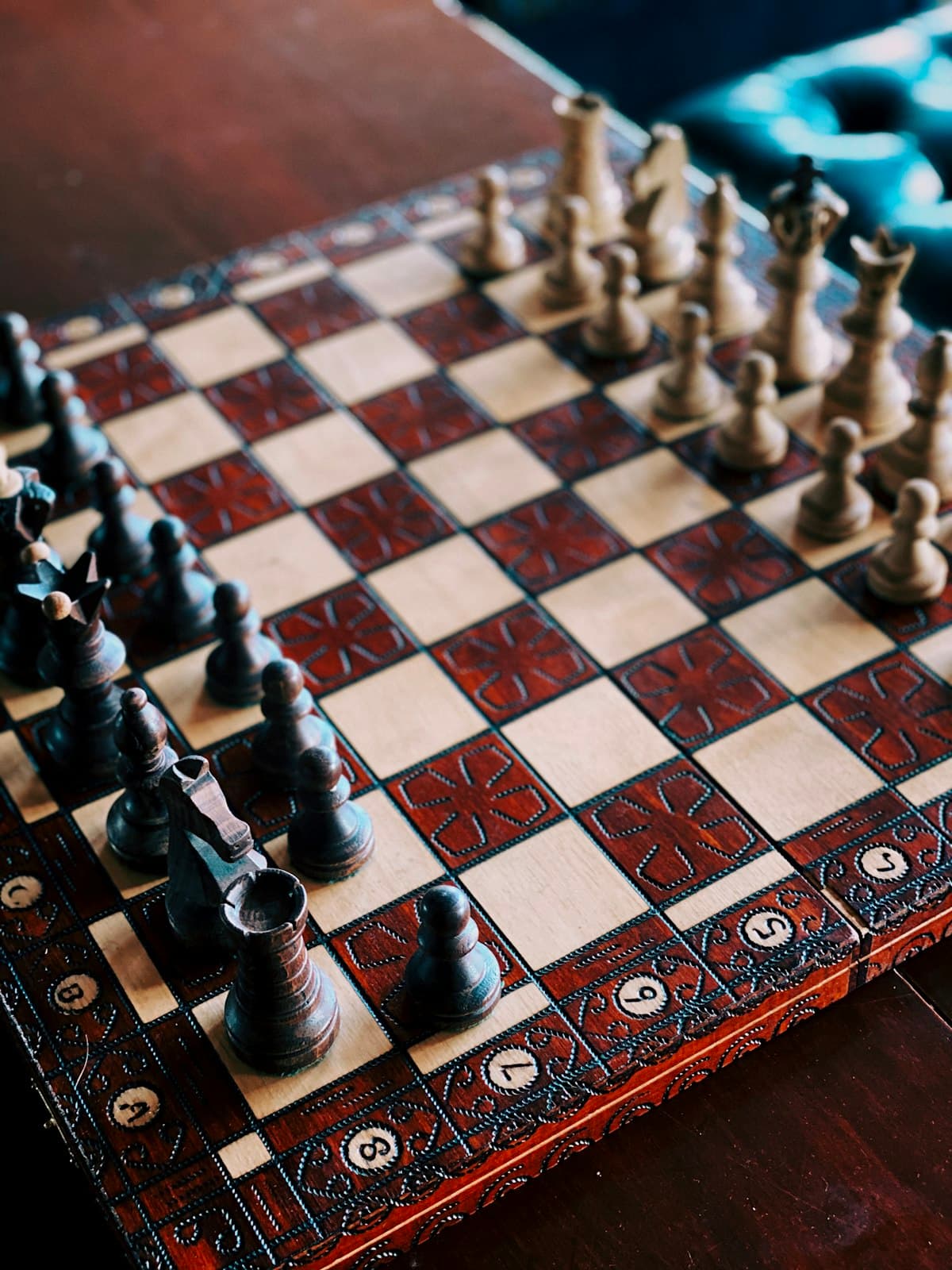
The "mad queen" reform
In Spain, then Italy, a rules reform gives the queen and bishop their modern long-range moves, introduces castling and the pawn's initial two-square move. The game becomes much faster and finally resembles chess as we know it.
1749
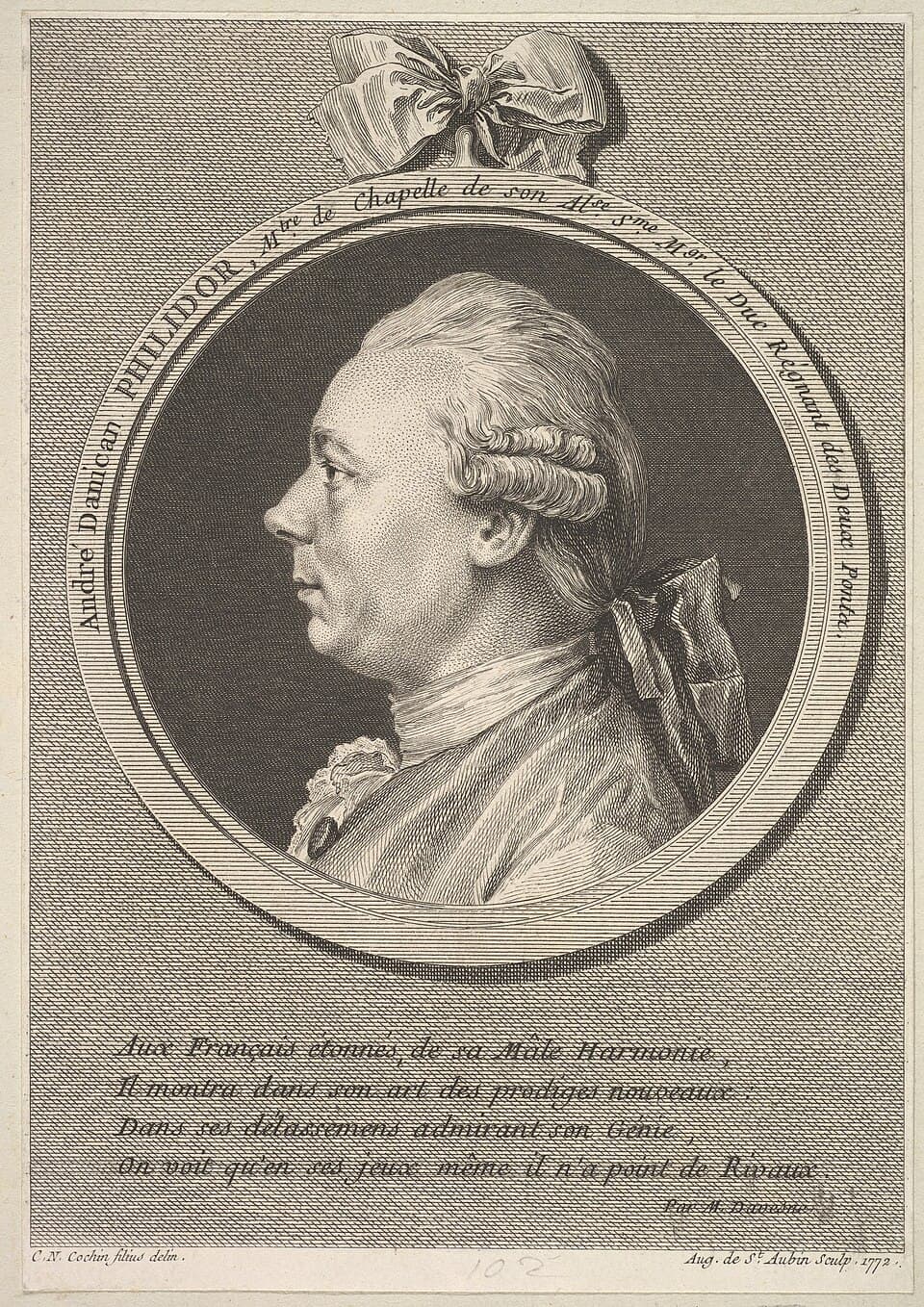
Philidor and "the soul of the game"
Frenchman François-André Danican Philidor publishes "L'Analyse du jeu des Échecs", famously stating that "pawns are the soul of chess", laying the groundwork for modern strategic thinking.
Portrait: Augustin de Saint-Aubin / Charles-Nicolas Cochin, public domain (CC0, The Met), via Wikimedia Commons
1851
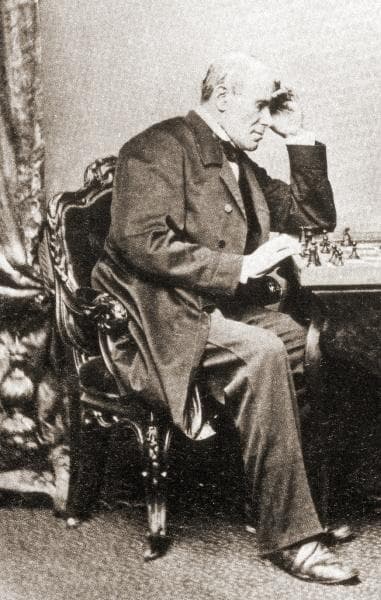
The first international tournament
London hosts the very first international chess tournament, won by Germany's Adolf Anderssen, who plays his famous "Immortal Game" there.
Photo: unknown author, public domain, via Wikimedia Commons
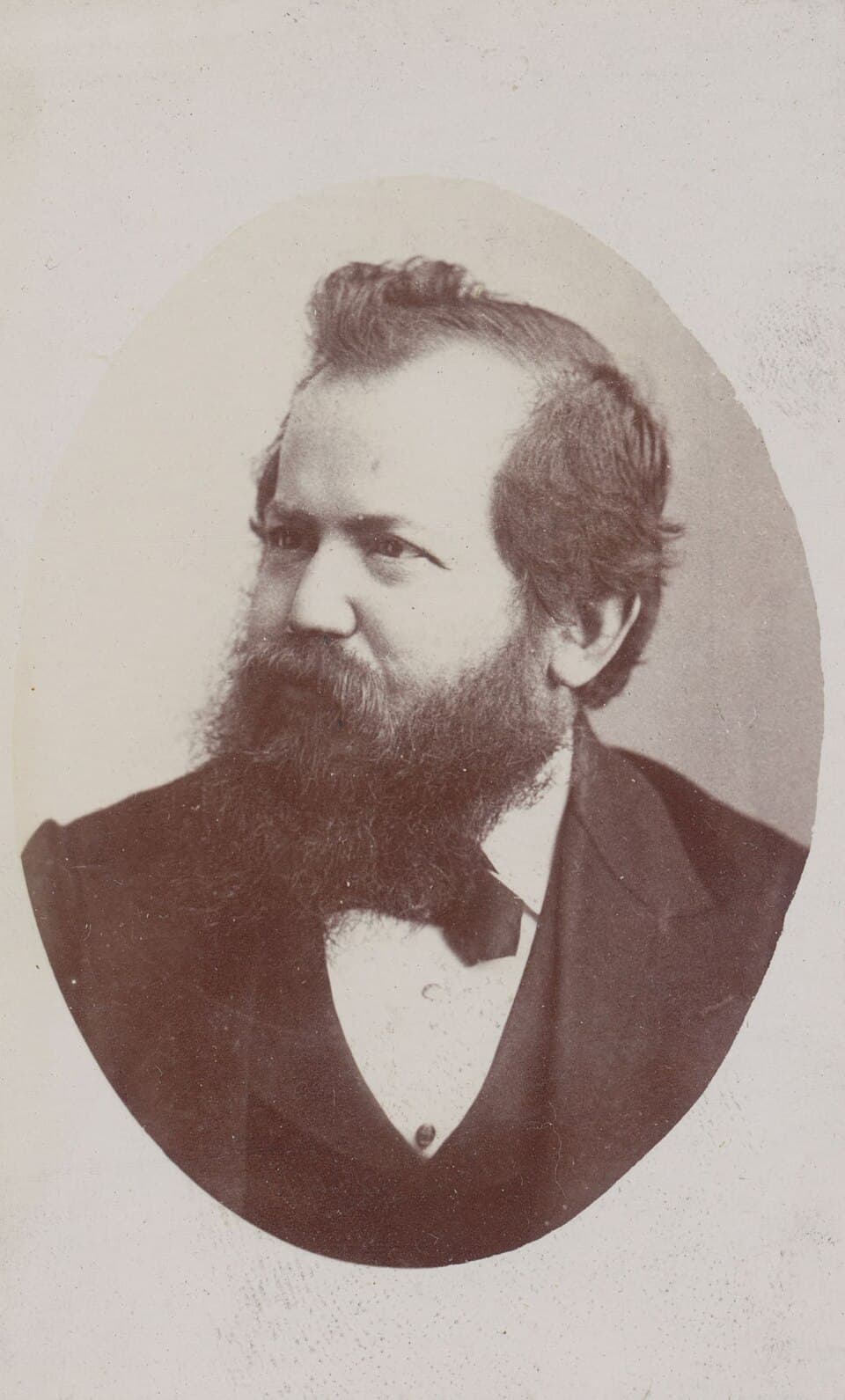
1886
The first official World Championship
Wilhelm Steinitz defeats Johannes Zukertort to become the first officially recognized World Champion, crowning his theories on positional play.
Photo: Universal Photo Parlors, 1896, public domain, via Wikimedia Commons
1924
FIDE is founded
The International Chess Federation (FIDE) is founded in Paris, with the motto "Gens una sumus" ("We are one family").
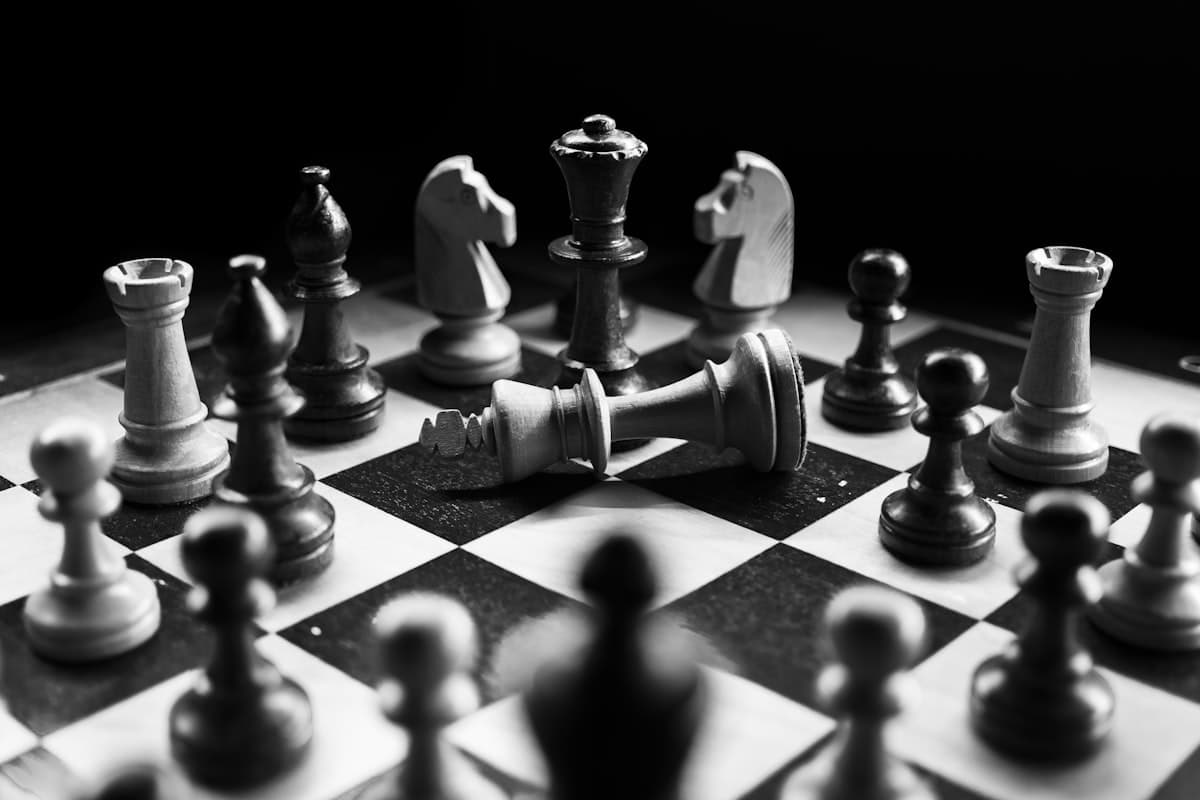
1972
The "Match of the Century"
At the height of the Cold War, American Bobby Fischer defeats Soviet Boris Spassky in Reykjavik, ending nearly 25 years of Soviet dominance over the world title.
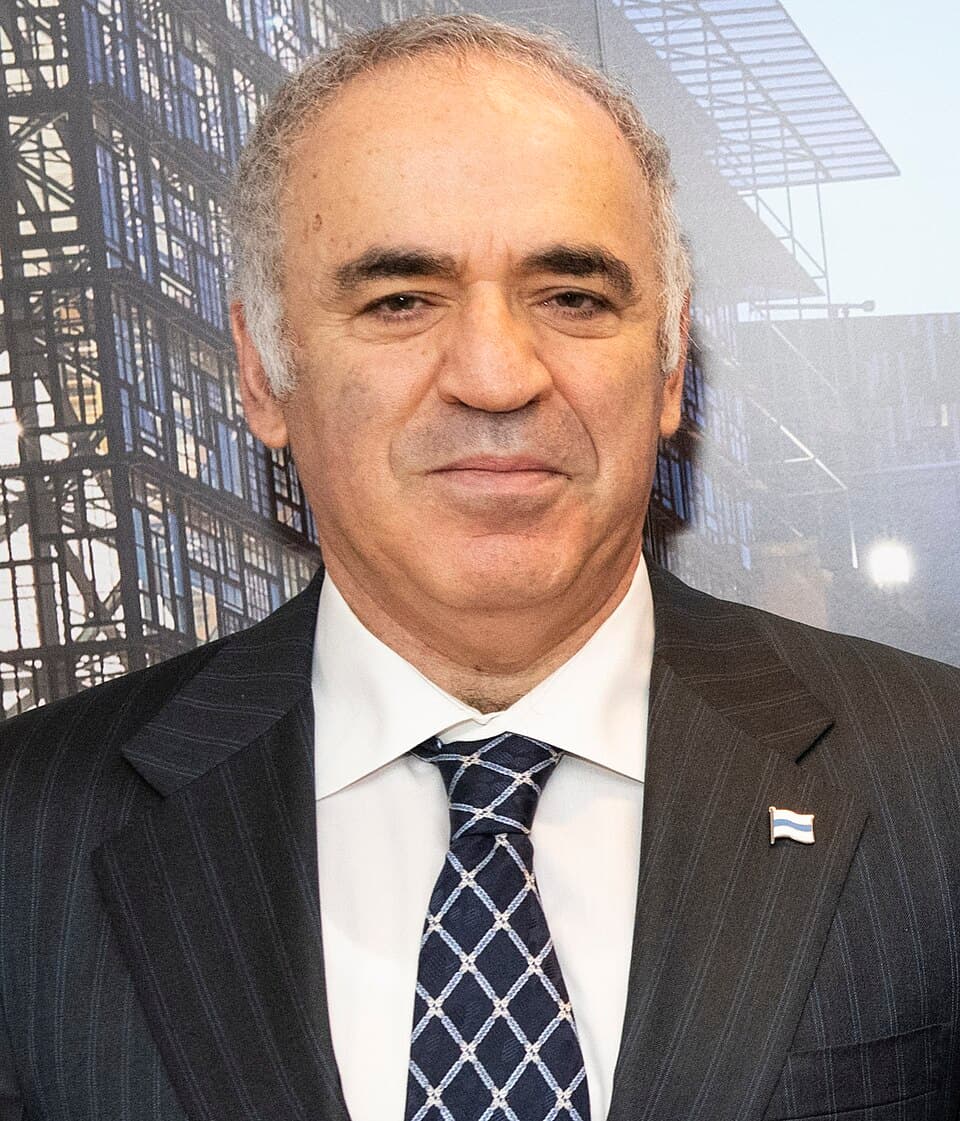
1985
Kasparov, the youngest World Champion
Garry Kasparov defeats Anatoly Karpov to become, at 22, the youngest World Champion in history, kicking off a legendary rivalry that would span five matches.
Photo: Lukasz Kobus, CC BY 4.0, via Wikimedia Commons
1997
Deep Blue defeats Kasparov
IBM's Deep Blue computer defeats reigning World Champion Garry Kasparov in a six-game match: a historic first that reshapes the relationship between players and machines.

2013
Magnus Carlsen becomes World Champion
Norway's Magnus Carlsen defeats Viswanathan Anand and begins a reign that will make him the highest-rated player in the history of the Elo system.
Photo: Autopilot, CC BY-SA 3.0, via Wikimedia Commons

2017
AlphaZero and the neural-network era
DeepMind's AlphaZero AI crushes the Stockfish engine after only a few hours of self-play, with no human game database, ushering in a new generation of chess engines.
2020
The "Queen's Gambit" effect
The Netflix series "The Queen's Gambit" sparks a worldwide surge of interest in chess: sign-ups explode on online platforms and chess set sales soar.
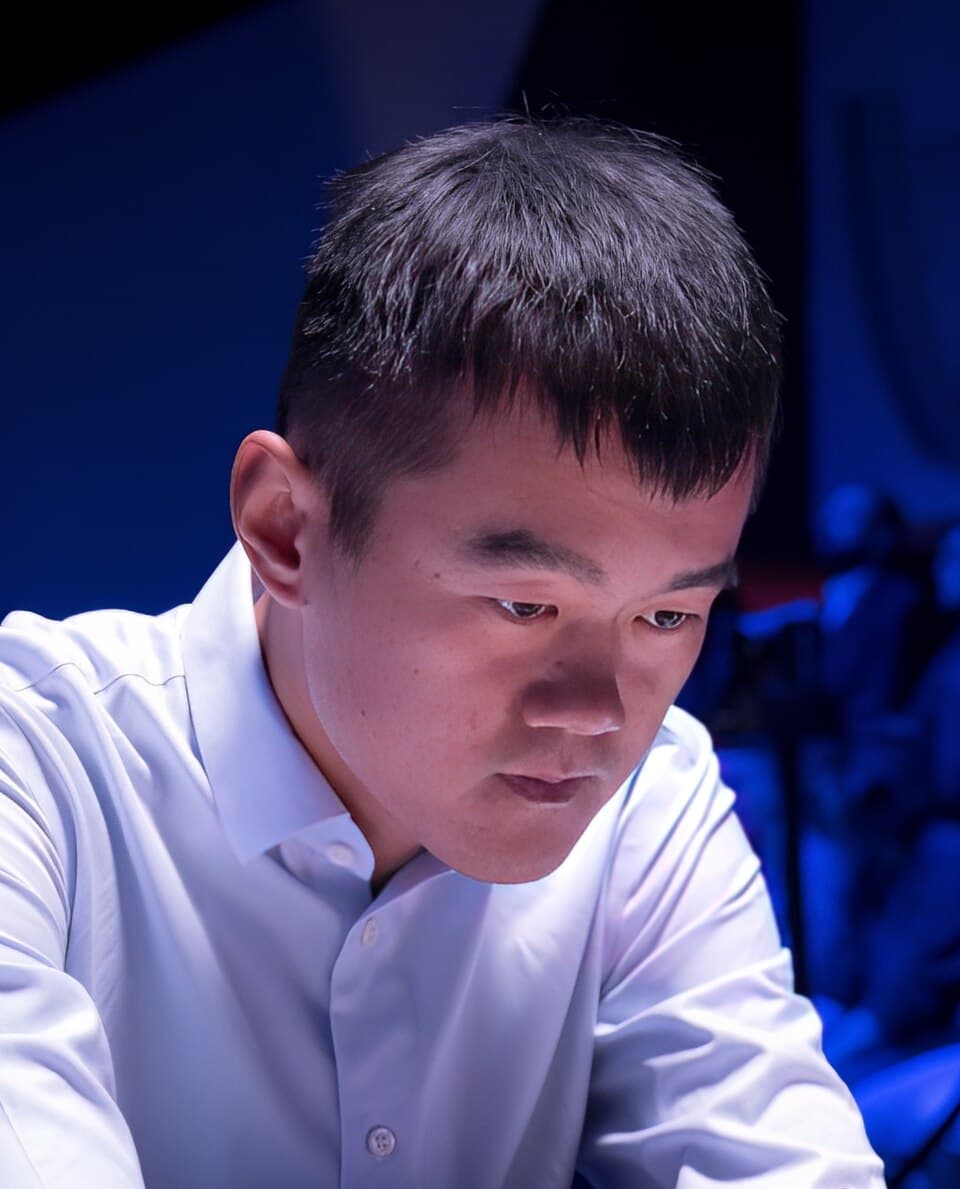
2023
Ding Liren, first Chinese World Champion
After Magnus Carlsen declines to defend his title, Ding Liren defeats Ian Nepomniachtchi in a tiebreak to become the first Chinese World Champion.
Photo: Frans Peeters, CC BY-SA 2.0, via Wikimedia Commons