What is a gambit? Sacrificing a pawn to gain the advantage
Voluntarily offering a pawn in the first few moves can look like a mistake. Yet it's an opening weapon that's been studied for centuries: the gambit.
Key takeaway
A gambit is a sacrifice of material, played very early in the game, in exchange for an advantage in development, time, or space.
Some opening moves look, at first glance, like genuine mistakes: giving the opponent a pawn in the very first moves of the game, without them having done anything to deserve it. And yet this type of move has been studied for centuries, has a precise name, and is one of the most respected weapons in the opening: the gambit.
Defining a gambit
A gambit is a sacrifice of material, most often a pawn, played very early in the game, in exchange for an advantage that isn't immediately visible on the board: faster piece development, wider control of the center, or open lines toward the enemy king. The player offering the pawn is betting they'll get back far more than its value, in the form of initiative.
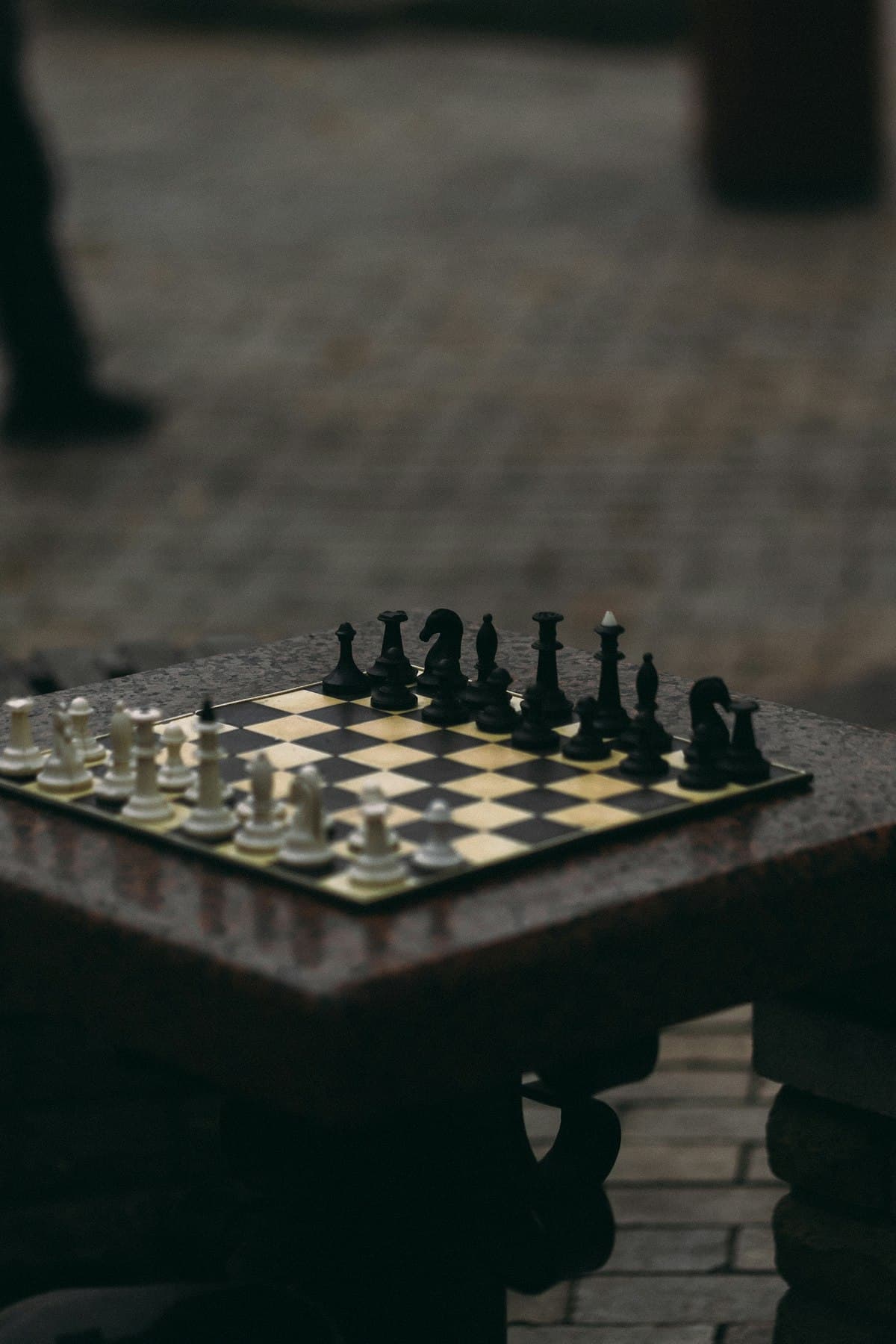
Look at the diagram: the Queen's Gambit
The most famous example is probably the Queen's Gambit, recently popularized by a hit television series. After 1.d4 d5 2.c4, White offers the c4 pawn. If it's captured, Black will have to spend precious time defending or eventually giving it back, while White freely occupies the center with the d and e pawns. Despite its name, by the way, the Queen's Gambit never actually puts the queen herself in danger: "queen" simply refers to the d-file, where she starts the game.
Should you always accept a gambit?
Not necessarily! Declining a gambit, meaning not capturing the offered pawn, is often a perfectly sound option, and even recommended in some lines. What matters most is understanding the idea behind the sacrifice before deciding: accepting usually requires knowing the follow-up well, or you risk simply being a pawn down with nothing to show for it.
Did you know?
There are hundreds of documented gambits, some with quite colorful names: the King's Gambit, the Evans Gambit, the Benko Gambit... Some are considered risky at the highest level, but remain fearsome between players who don't know them by heart, especially in fast time controls.
Key takeaways
- ✓A gambit is a sacrifice of material, most often a pawn, played early in the game
- ✓In exchange, the sacrificing player hopes for development, space, or open lines
- ✓The Queen's Gambit doesn't concern the queen piece itself, but the d-file
- ✓Declining a gambit (not capturing the offered pawn) is often a perfectly valid option
Check your understanding
What is a gambit?