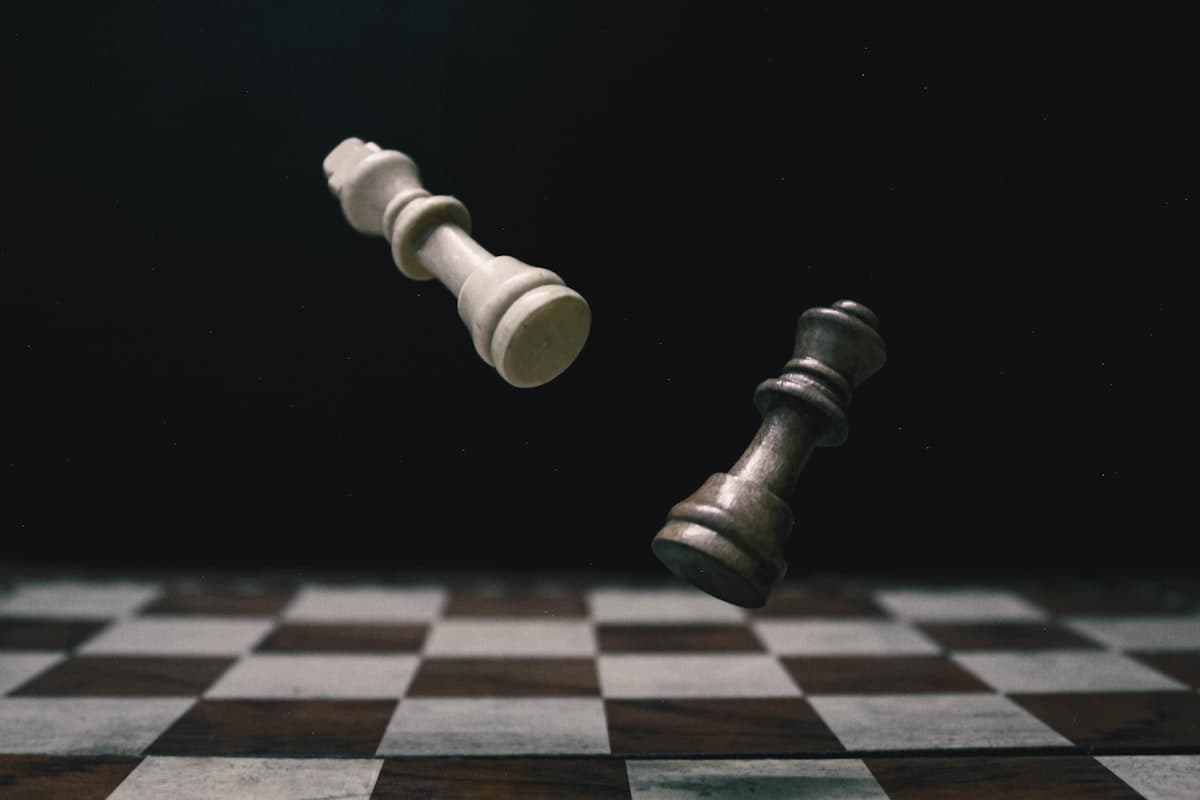
The passed pawn: the little pawn that makes opponents nervous
A pawn that no enemy pawn can stop is a fearsome weapon in the endgame. Here's why you should learn to spot it, and push it.
Key takeaway
A passed pawn has no enemy pawn left on its own file or on either neighboring file to stop it: the closer the game gets to the endgame, the more valuable it becomes.
Among all the pawns in a game, one particular type can single-handedly decide an endgame: the passed pawn. Learning to recognize it, and above all to push it at the right moment, is one of the skills that most quickly separates a beginner from an improving player.
What exactly is a passed pawn?
A pawn is "passed" when no enemy pawn can stop it from reaching the last rank, whether by advancing straight ahead or by capturing. In practice, you need to look at three files: the pawn's own file, and the two neighboring files. If the opponent has no pawn left on any of those three files ahead of it, the road is clear: nothing can directly oppose its march toward promotion except the enemy king.
Did you know?
Two connected passed pawns (side by side) on the sixth rank are so dangerous that grandmasters sometimes compare them to an entire rook! Together they support each other: one advances while the other protects it, and the enemy king can never stop both at once.
Why it gets stronger as the game goes on
Early in the game, a passed pawn is often closely watched by enemy pieces, queens, rooks, or knights, all easily able to block it. But as pieces get traded off and the endgame approaches, fewer and fewer defenders remain to stop it. That's why a passed pawn gains enormous value in the endgame: sometimes only the enemy king can still deal with it, and the rule of the square is exactly what tells you whether it can get there in time.
How to help your passed pawn advance
A passed pawn rarely wins the game on its own: it needs help. The king should come escort it, walking ahead or beside it to clear the way. A rook placed behind it, on its own file, pushes it forward with every move while staying protected itself. This principle is so useful it has its own name: "a rook behind a passed pawn", whether it's your pawn or the opponent's, since the same idea applies on defense too!
Key takeaways
- ✓A passed pawn has no enemy pawn ahead of it on its own file or either neighboring file
- ✓Its value grows as pieces get traded and the endgame approaches
- ✓Two connected passed pawns can be worth a rook
- ✓It needs help to advance: the king escorting it, a rook placed behind it
Check your understanding
What defines a passed pawn?